If you’re serious about content creation, your microphone matters more than almost anything else in your setup. Viewers will forgive average video quality — but they’ll click away the moment your audio sounds muddy, echoey, or noisy. Whether you’re just starting your YouTube channel, going live on Twitch, or recording a podcast, the right mic can make you sound like a pro from day one.
In this guide, we’ve tested and ranked the 5 best microphones for content creators in 2026 — covering every budget, from affordable USB plug-and-play options to studio-grade XLR setups. Let’s get into it.
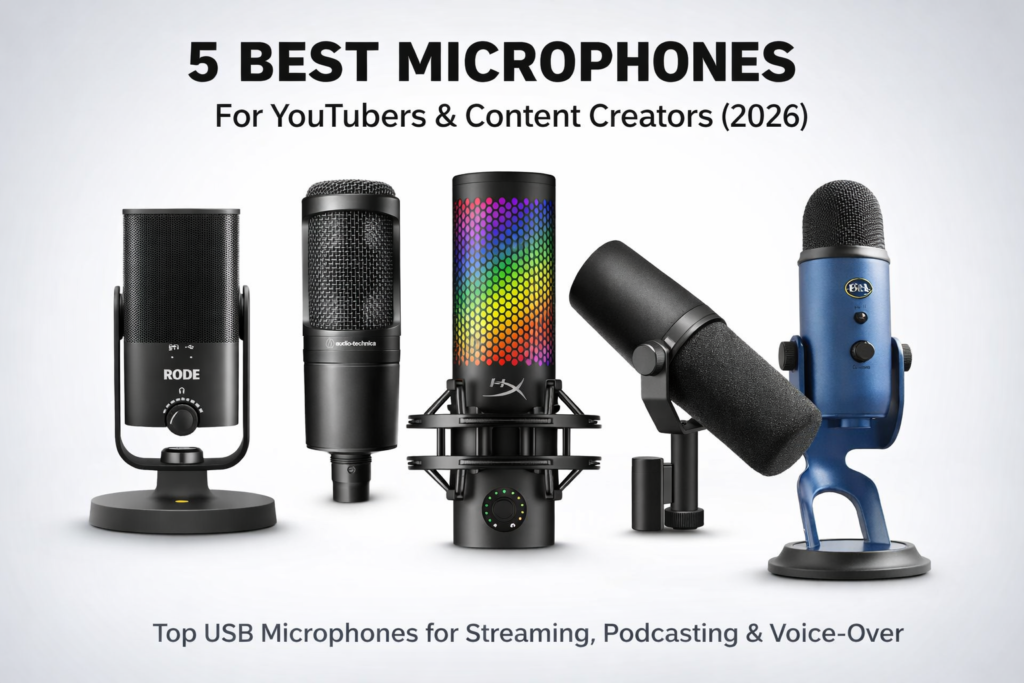
Our Top Picks
- Best Overall: Blue Yeti X
- Best Professional Mic: Shure SM7B
- Best for Streaming: HyperX QuadCast S
- Best Budget XLR: Audio-Technica AT2020
- Best Beginner Mic: Rode NT-USB Mini
Best Microphones for Content Creators — Comparison Table
| Microphone | Type | Connection | Best For | Price Range |
|---|---|---|---|---|
| Blue Yeti X | Condenser | USB | All-around creators | Check price on Amazon |
| Shure SM7B | Dynamic | XLR | Podcasters & streamers | Check price on Amazon |
| HyperX QuadCast S | Condenser | USB | Gamers & streamers | Check price on Amazon |
| Audio-Technica AT2020 | Condenser | XLR | Budget studio quality | Check price on Amazon |
| Rode NT-USB Mini | Condenser | USB | Beginners & travelers | Check price on Amazon |
Top 5 Best Microphones for Content Creators — Full Reviews
1. Blue Yeti X — Best All-Around USB Microphone
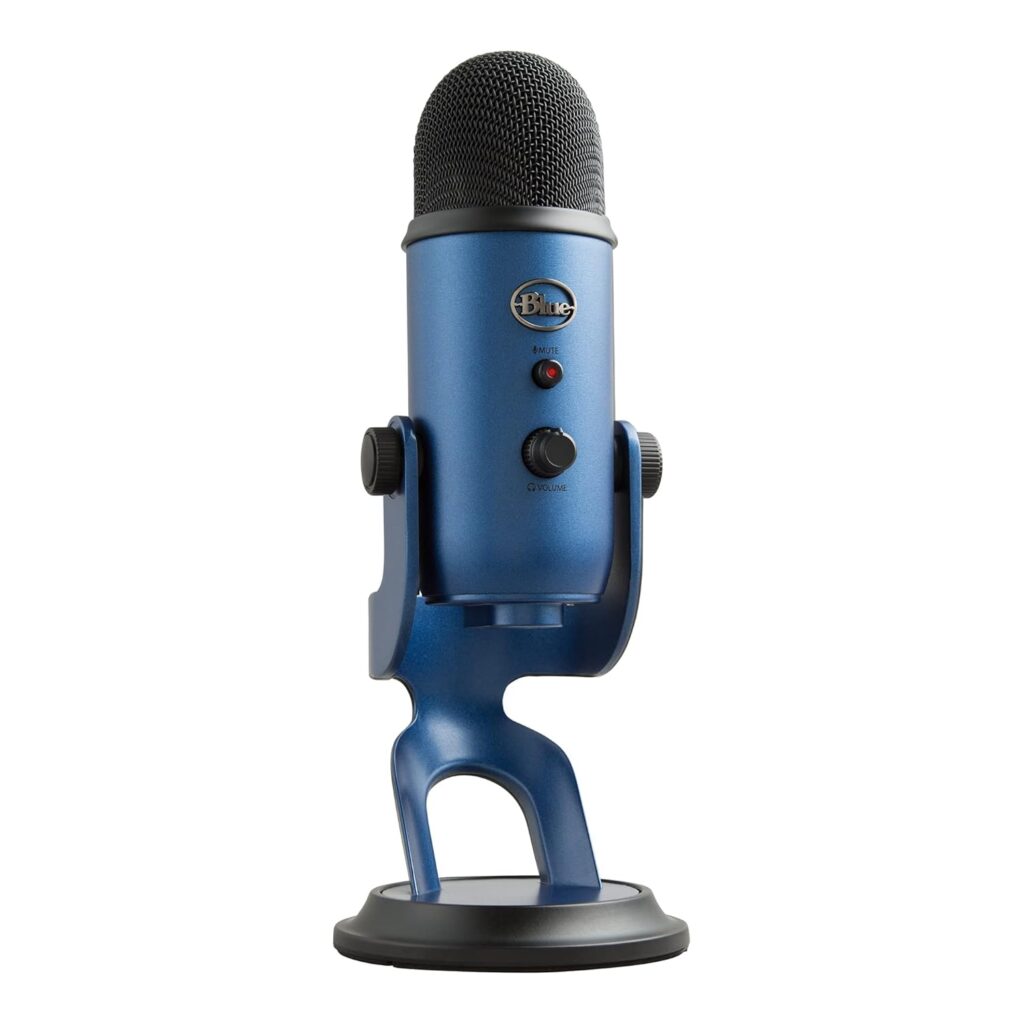
The Blue Yeti X has been a favorite among YouTubers and streamers for years, and the X version takes everything that made the original great and turns it up a notch. It features four selectable polar patterns (cardioid, bidirectional, omnidirectional, and stereo), which gives it incredible versatility no matter your recording environment.
The built-in LED metering and dedicated headphone monitoring jack mean you always know exactly how your audio sounds in real time. Setup is completely plug-and-play — connect it to your computer via USB and you’re recording in under a minute. The Blue Sherpa companion software also lets you fine-tune your sound, adjust patterns, and even control your stream settings.
The Yeti X is a bit on the larger side, but that’s a minor trade-off for the audio quality it delivers. If you want a mic that grows with you as a creator, this is it.
Pros
- Four polar patterns for maximum flexibility
- Real-time headphone monitoring with zero latency
- Easy plug-and-play USB setup
- Blue Sherpa software for advanced controls
- Solid, premium build quality
Cons
- Bulkier than most USB mics
- Picks up background noise in untreated rooms
- Pricier than entry-level options
Bottom Line: The Blue Yeti X is the safest recommendation for any creator who wants studio-quality audio without needing an audio interface. It’s a set-it-and-forget-it microphone.
2. Shure SM7B — Best Professional Microphone for Podcasters & Streamers
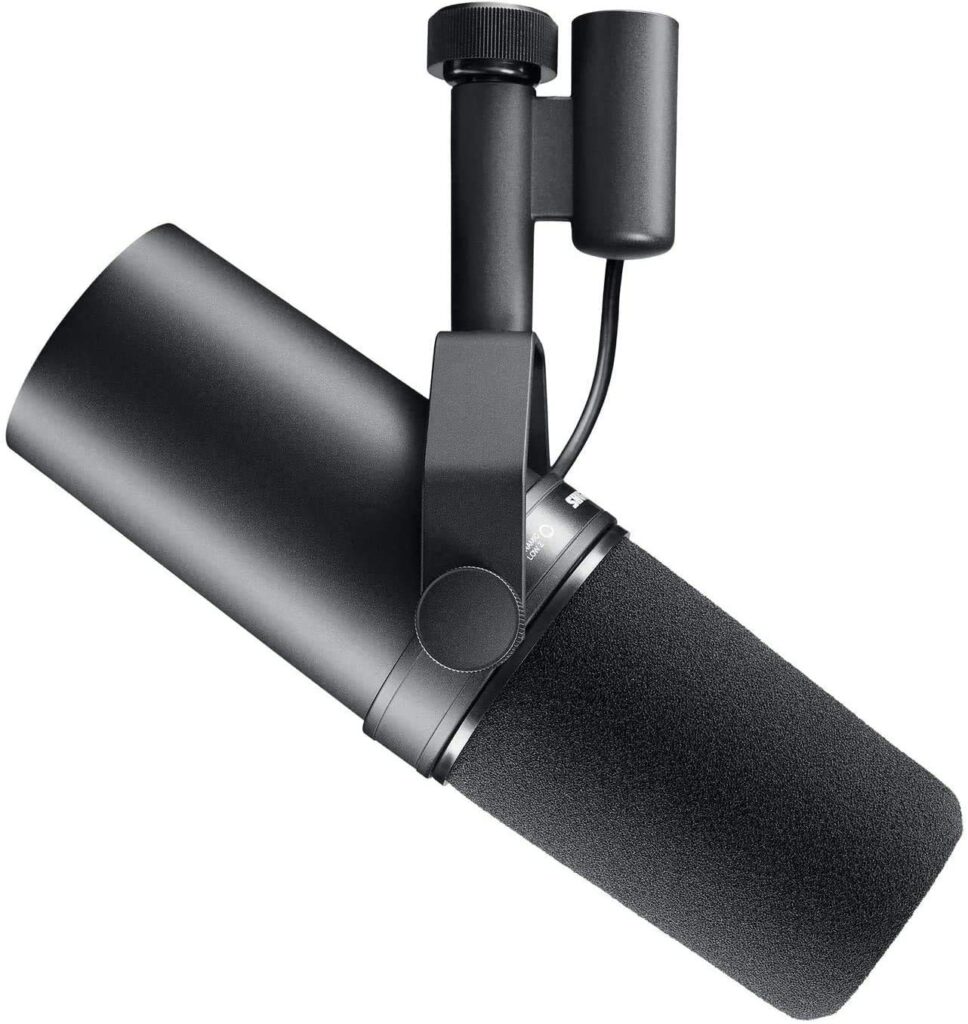
Walk into any professional podcasting studio or streaming setup and there’s a good chance you’ll spot a Shure SM7B. This legendary dynamic microphone has been an industry staple for decades — Joe Rogan uses it, major broadcasters use it, and now thousands of content creators swear by it.
The SM7B uses a cardioid dynamic capsule that is remarkably forgiving in untreated rooms. It rejects off-axis noise extremely well, which means your keyboard clicks, PC fan noise, and ambient room sounds largely stay out of your recordings. It also includes built-in pop filtering and an A/B switch for bass rolloff and presence boost.
The one catch: the SM7B requires an XLR connection and needs a solid audio interface (like the Focusrite Scarlett 2i2) plus ideally a preamp like the Cloudlifter to reach its full potential. That adds to the total cost. But if you’re ready to invest in a proper audio chain, the SM7B will serve you for life.
Pros
- Industry-standard broadcast quality
- Excellent background noise rejection
- Built-in pop filter and presence boost switch
- Extremely durable — built to last years
- Flattering, warm vocal tone right out of the box
Cons
- Requires XLR interface and possibly a preamp
- Higher total cost when including accessories
- Not ideal for beginners without an audio chain
Bottom Line: The Shure SM7B is the gold standard for serious content creators. Once you go SM7B, it’s hard to go back to anything else.
3. HyperX QuadCast S — Best Microphone for Gamers & Streamers
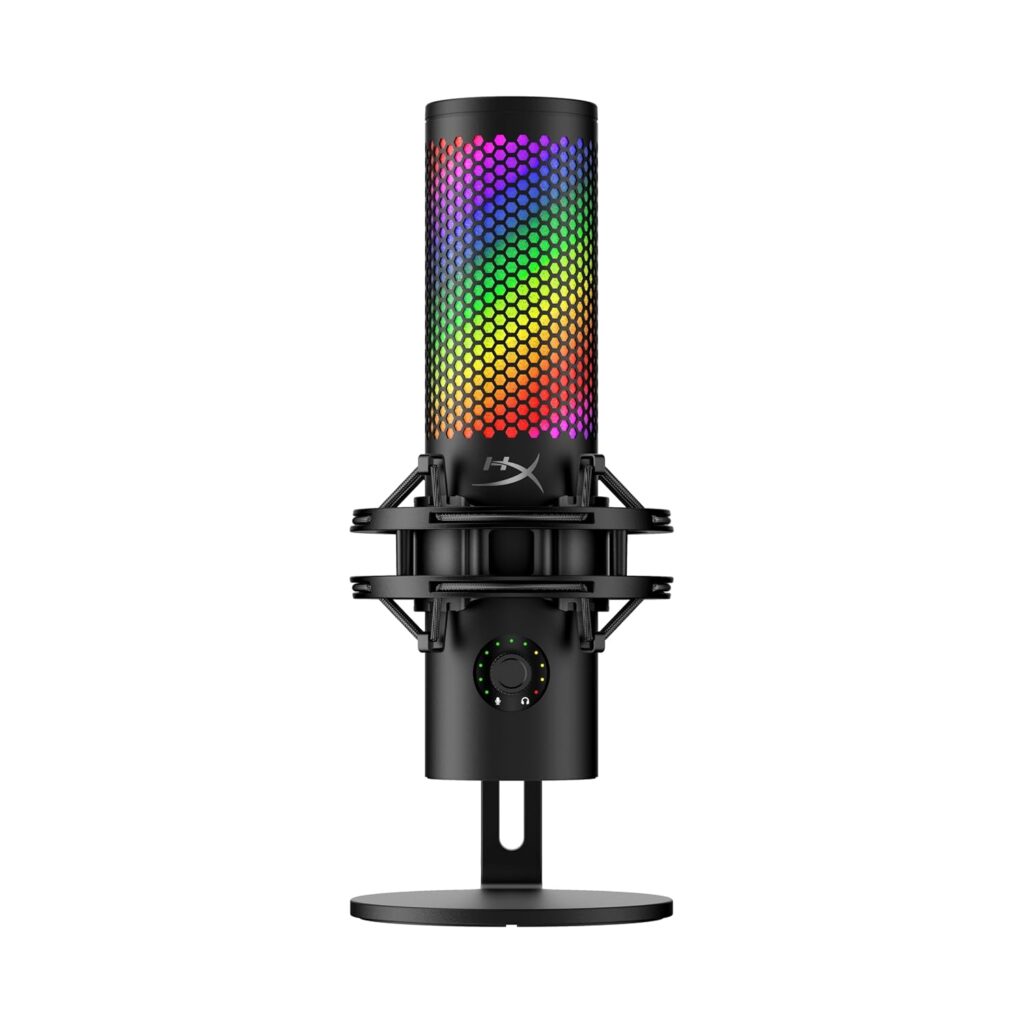
The HyperX QuadCast S is purpose-built for live streamers and gaming content creators. It combines solid audio performance with eye-catching RGB lighting that looks amazing on camera. But don’t let the flashy looks fool you — this is a capable microphone for a wide range of creator needs.
Like the Yeti X, it offers four polar patterns and plugs in directly via USB. It has a convenient tap-to-mute button on top that glows red when muted, so you’ll never accidentally go live without knowing. The QuadCast S also features a built-in shock mount and anti-vibration suspension, which helps eliminate desk rumble and keyboard noise from your recordings.
The NGENUITY software from HyperX lets you customize the RGB effects and tweak audio settings. If you’re a Twitch streamer who wants their desk setup to look as good as it sounds, the QuadCast S is your mic.
Pros
- RGB lighting that looks great on stream
- Tap-to-mute feature with visual indicator
- Built-in shock mount reduces vibration noise
- Four polar patterns for versatility
- Easy USB plug-and-play setup
Cons
- RGB adds to cost over function-only alternatives
- Software can be glitchy on some systems
- Audio quality slightly behind the Blue Yeti X at a similar price
Bottom Line: The HyperX QuadCast S is the go-to choice for streamers who want performance and style in one package. The built-in shock mount alone makes it worth considering.
4. Audio-Technica AT2020 — Best Budget XLR Microphone
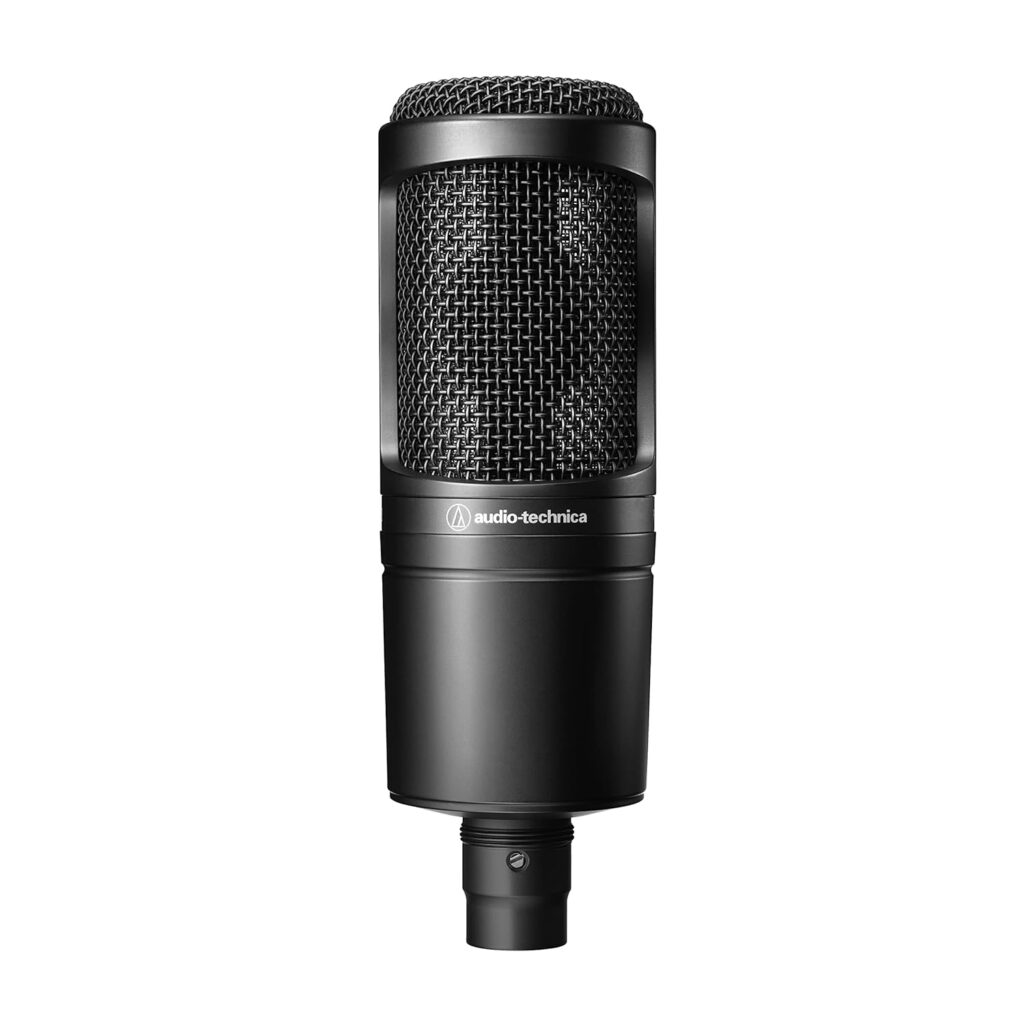
For creators who want to step up to an XLR setup without breaking the bank, the Audio-Technica AT2020 is the obvious recommendation. It delivers condenser microphone clarity and detail at a price point that’s accessible to almost everyone.
The AT2020 uses a custom-engineered low-mass diaphragm that extends the frequency response for incredible detail. It handles high SPL (sound pressure levels) really well, making it suitable for more than just voice recording — instruments, acoustic guitars, and voiceovers all sound excellent through this mic.
You’ll need an audio interface and XLR cable to use it, but even with a budget interface like the Focusrite Scarlett Solo, the total cost stays competitive. This is a no-nonsense workhorse mic with a proven track record.
Pros
- Excellent audio quality for the price
- Handles high SPL without distortion
- Wide frequency response — great for voice and instruments
- Solid build quality with a sturdy stand mount
- Widely trusted by beginner and intermediate creators
Cons
- Requires an audio interface to use
- No headphone monitoring built in
- Fixed cardioid pattern only
Bottom Line: The AT2020 is one of the best entry points into the world of XLR microphones. It consistently punches above its weight class.
5. Rode NT-USB Mini — Best Compact USB Microphone for Beginners
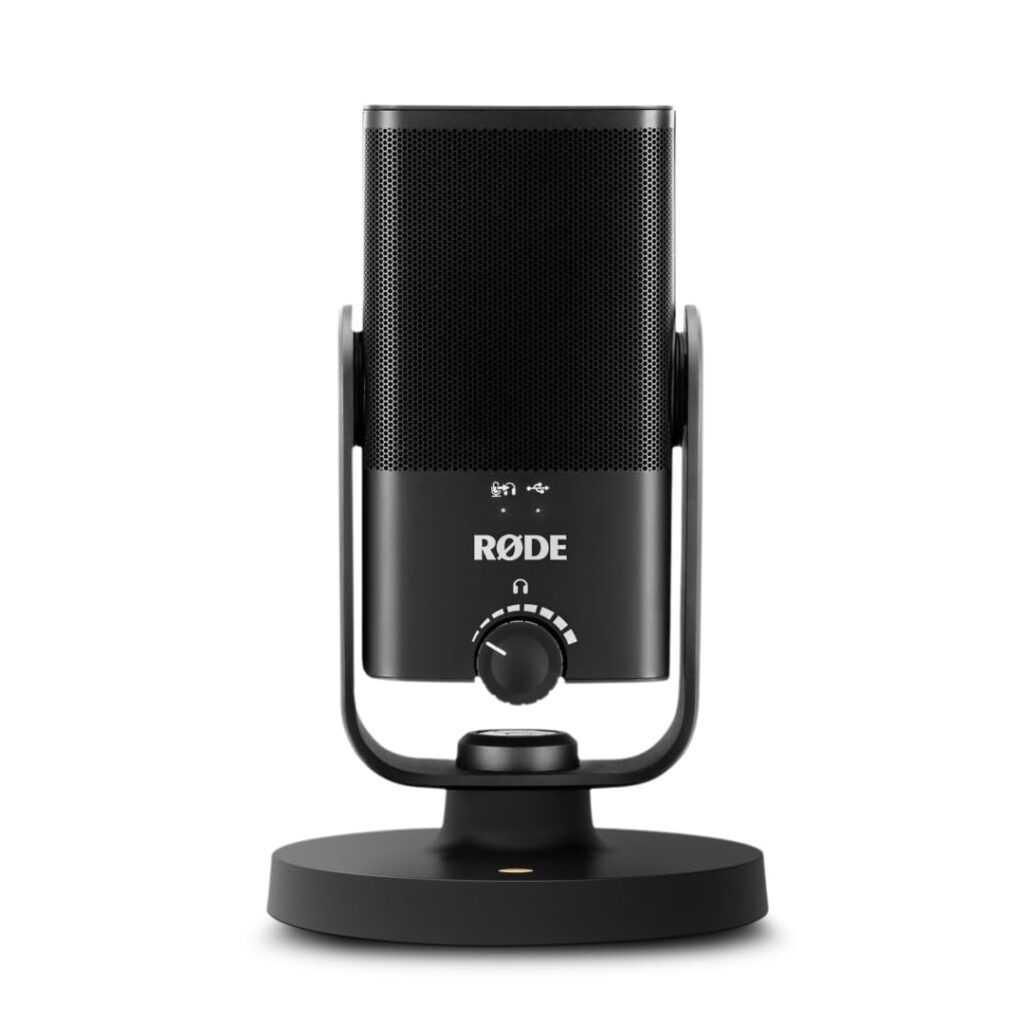
The Rode NT-USB Mini is everything a beginner creator needs — compact, affordable, and incredibly easy to use. Rode is a respected Australian audio brand, and even their entry-level products are built with quality in mind.
The NT-USB Mini uses a studio-condenser capsule in a tiny form factor, which makes it perfect for travel, small desks, or anyone who doesn’t want a giant mic dominating their setup. It connects via USB-C and works with Mac, PC, and even iPad. The integrated pop filter and magnetic desk stand make the out-of-box experience polished and frustration-free.
Audio quality is warm and clear for spoken word, voiceovers, and online meetings. It won’t outperform the Yeti X in feature count, but for a creator just getting started, the NT-USB Mini hits the sweet spot between simplicity and quality.
Pros
- Compact and portable design
- USB-C connection — works with Mac, PC, and iPad
- Integrated pop filter included
- Clean, professional audio out of the box
- Very beginner-friendly with no setup required
Cons
- Fixed cardioid pattern only
- No headphone monitoring
- Limited controls compared to larger competitors
Bottom Line: The Rode NT-USB Mini is the smartest buy for anyone just starting out. It removes every barrier between you and great-sounding audio.
Microphone Buying Guide — What to Look for in 2026
Before you hit the buy button, here are the key things you should consider when choosing a microphone as a content creator:
USB vs XLR
USB microphones are plug-and-play and require no extra gear. They’re perfect for beginners and on-the-go creators. XLR microphones offer better audio quality and more upgrade potential, but they require an audio interface to connect to your computer. If you’re just starting out, go USB. If you’re building a serious setup, go XLR.
Dynamic vs Condenser
Condenser mics capture more detail and have a wider frequency range — ideal for voiceovers, podcasting, and studio recording. They’re more sensitive to background noise though. Dynamic mics like the SM7B are more forgiving in noisy or untreated rooms and work great for streamers and broadcasters.
Polar Patterns
A cardioid pattern is all most creators need — it captures sound from the front and rejects noise from behind. If you’re doing interviews, consider a mic with bidirectional or omnidirectional options.
Room Treatment
No microphone can fix a bad room. If you’re recording in a live, echo-y space, even the best mic will sound poor. Consider adding foam panels, recording in a closet, or using a reflection filter to improve your environment before upgrading your gear.
Final Verdict
Choosing the right microphone comes down to your setup, your budget, and the kind of content you create.
- Best all-rounder: Blue Yeti X
- Best pro mic: Shure SM7B
- Best for streamers: HyperX QuadCast S
- Best budget XLR: Audio-Technica AT2020
- Best for beginners: Rode NT-USB Mini
Whatever you choose from this list, you’re upgrading your content. Great audio is one of the highest-leverage investments you can make as a creator — your audience will notice immediately, even if they don’t know why they suddenly enjoy your videos more.
Have a question about any of these mics? Drop it in the comments below — we’re happy to help you decide. And if you found this guide useful, consider bookmarking DeviceVista for more honest tech reviews built for creators.
Disclosure: As an Amazon Associate, DeviceVista may earn a commission from qualifying purchases. This helps support our content at no extra cost to you.